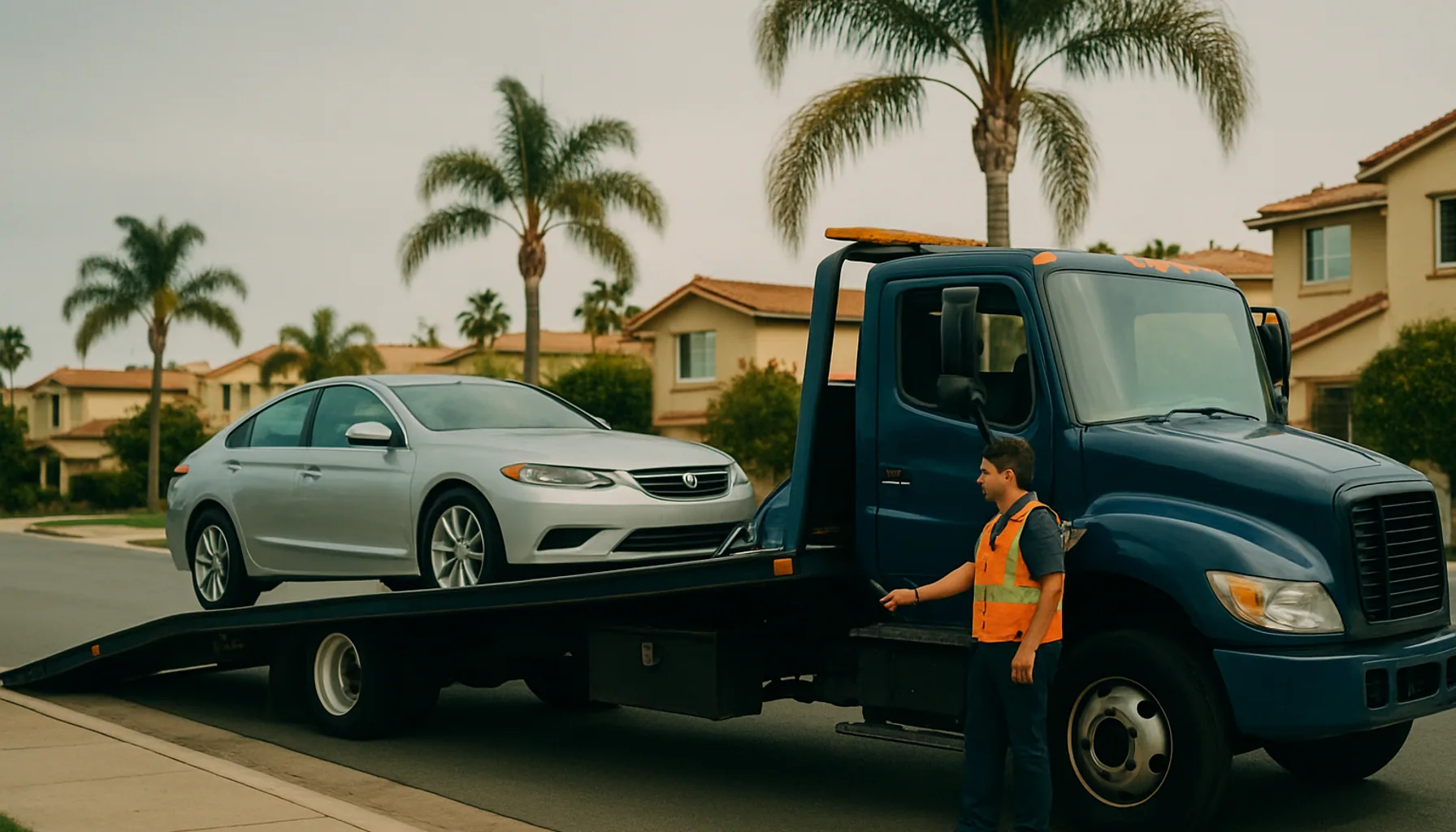
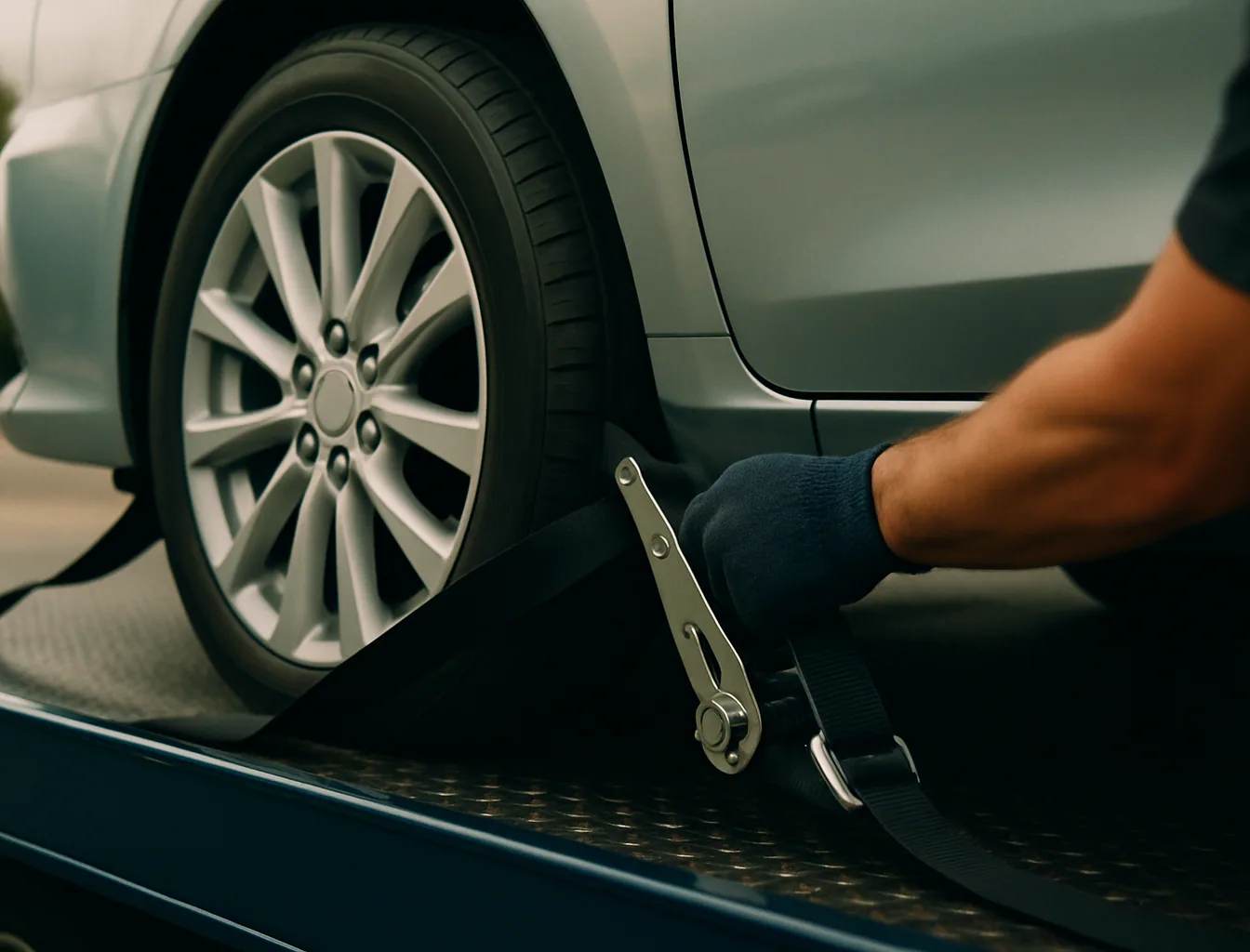
Not every tow requires a flatbed. Standard wheel-lift towing works fine for many front-wheel-drive and rear-wheel-drive cars on short distances. But there are specific situations where a flatbed is not optional, it is the only safe method.
Drivetrain protection
When a wheel-lift truck tows an all-wheel-drive vehicle, two wheels stay on the road and rotate freely. The spinning wheels engage drivetrain components that should not be moving without the engine running. This can destroy the transfer case, center differential, or viscous coupling. Repair cost: $2,000-$6,000. A flatbed avoids this entirely.
Electric vehicle safety
Tesla, Rivian, BMW iX, Hyundai Ioniq, Ford Mustang Mach-E, Chevy Bolt, and other EVs have electric motors connected directly to the wheels. Dragging those wheels on pavement, even in "neutral", can generate electricity that feeds back into the battery system and damages the motor controller or battery pack. Every major EV manufacturer explicitly requires flatbed towing in their owner's manual. We follow those requirements without exception.
Ground clearance and body protection
Lowered cars, cars with body kits, wide-body builds, and sports cars with minimal ground clearance risk scraping or catching on the tilt mechanism during wheel-lift loading. A flatbed's platform lowers flush to the ground, so there is no ramp angle to worry about. Even a Lamborghini with 4 inches of ground clearance loads safely onto our flatbeds.
Damage isolation for accident vehicles
If your vehicle was in a collision, the wheels, suspension, or steering may be compromised. Towing a damaged vehicle on its wheels can cause secondary damage, bent control arms, further axle damage, or tire blowouts during transport. A flatbed carries the vehicle as-is with no additional stress on damaged components.